Skip to content
A reliable water heater is essential for everyday comfort, providing hot water for showers, laundry, dishwashing, and other household tasks. However, like any appliance, water heaters don’t last forever. As they age, they become less efficient and more prone to breakdowns.
Knowing the signs you need a new water heater can help you avoid unexpected failures, costly repairs, and the inconvenience of losing hot water when you need it most. In this guide, we’ll discuss the most common warning signs that indicate it may be time to replace your water heater.
Your Water Heater Is More Than 10 Years Old
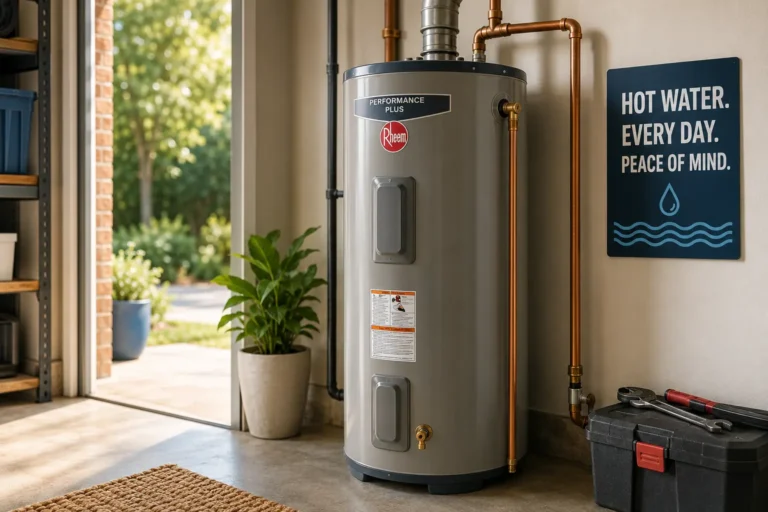
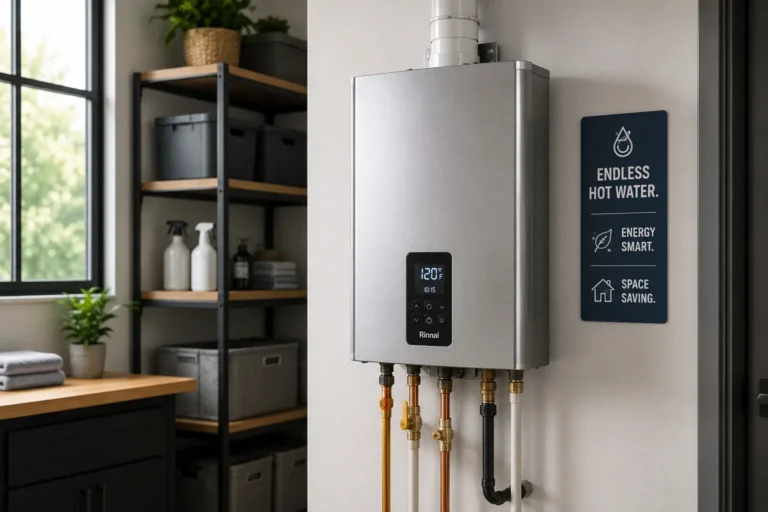
Age is one of the biggest factors when determining whether a water heater should be replaced. Traditional tank water heaters typically last between 8 and 12 years, while tankless systems can last longer with proper maintenance.
If your water heater is over a decade old and experiencing performance issues, replacing it may be more cost-effective than continuing to invest in repairs.
To determine the age of your unit, check the manufacturer’s label or serial number, which often includes the production date.
Inconsistent or Insufficient Hot Water
Description:
One of the most noticeable signs you need a new water heater is a lack of consistent hot water. If your showers suddenly turn cold or your water doesn’t stay hot as long as it used to, your system may be struggling to meet your household’s demands.
Common causes include:
- Aging heating elements
- Sediment buildup inside the tank
- Worn internal components
- Declining system efficiency
If repairs no longer restore reliable performance, replacement may be the best long-term solution.
Rusty or Discolored Water
Have you noticed rusty, brown, or discolored water coming from your hot water taps? This could indicate corrosion inside your water heater tank.
As water heaters age, the protective lining can deteriorate, allowing rust to form. Once corrosion begins affecting the tank itself, replacement is often necessary because the damage cannot be reversed.
If only the hot water appears rusty while cold water remains clear, your water heater may be the source of the problem.
Strange Noises Coming From the Tank
Water heaters naturally make some noise during operation, but loud popping, rumbling, banging, or cracking sounds should not be ignored.
These noises are often caused by sediment buildup at the bottom of the tank. As the sediment hardens, the system must work harder to heat water, reducing efficiency and increasing wear on the unit.
Over time, excessive sediment can shorten the lifespan of your water heater and increase the likelihood of failure.
Water Leaks Around the Water Heater
Water pooling around your water heater is a serious warning sign that requires immediate attention.
Leaks may occur due to:
- Tank corrosion
- Cracked internal components
- Faulty valves
- Excessive pressure inside the tank
While some minor issues can be repaired, a leaking tank usually indicates that replacement is necessary. Ignoring leaks can lead to water damage, mold growth, and costly repairs throughout your home.
Rising Energy Bills
An aging water heater often becomes less efficient over time. As internal components wear out and sediment accumulates, the system requires more energy to produce the same amount of hot water.
If you’ve noticed higher utility bills without a significant change in usage, your water heater could be operating inefficiently.
Upgrading to a modern, energy-efficient unit may help lower monthly energy costs while improving performance.
Frequent Repairs Are Becoming Expensive
Occasional repairs are normal throughout the lifespan of a water heater. However, if you’re calling a plumber regularly for recurring issues, replacement may be the smarter investment.
Some common recurring problems include:
- Pilot light failures
- Heating element issues
- Thermostat malfunctions
- Pressure relief valve problems
- Water leaks
When repair costs begin to add up, replacing the unit can provide greater reliability and long-term savings.
Low Hot Water Pressure
Reduced hot water pressure can indicate sediment buildup, mineral deposits, or internal corrosion within your water heater.
Over time, these issues can restrict water flow and impact overall performance. If flushing the system doesn’t resolve the problem, your water heater may be nearing the end of its lifespan.
A professional inspection can determine whether repairs are possible or if replacement is the better option.
Benefits of Replacing an Old Water Heater
Installing a new water heater offers several advantages beyond simply restoring hot water.
Benefits include:
- Improved energy efficiency
- Lower utility bills
- More reliable hot water supply
- Reduced risk of leaks and breakdowns
- Better performance for larger households
- Increased home value
- Enhanced safety features
Modern water heaters are designed to provide better efficiency and comfort than older systems.
Choosing the Right Replacement Water Heater
When it’s time for a replacement, selecting the right system is important.
Factors to consider include:
- Household size
- Daily hot water demand
- Energy efficiency ratings
- Fuel type (electric, gas, or propane)
- Tank versus tankless options
- Budget and installation costs
A professional plumber can help you evaluate your needs and recommend the most suitable water heater for your home.
Frequently Asked Questions
How long does a water heater typically last?
Most traditional tank water heaters last between 8 and 12 years, while tankless systems can often last 15 to 20 years with proper maintenance.
Can I repair my water heater instead of replacing it?
In some cases, repairs may be sufficient. However, older units with recurring problems are often more cost-effective to replace.
Is rusty water always caused by a failing water heater?
Not always. Rusty water can also originate from aging plumbing pipes. A professional inspection can identify the source.
What causes a water heater to leak?
Leaks can result from corrosion, excessive pressure, damaged valves, or internal tank failure.
Should I replace my water heater before it fails completely?
Yes. Replacing an aging water heater before it fails can help prevent water damage, emergency repairs, and unexpected loss of hot water.
Final Thoughts
Recognizing the signs you need a new water heater can help you avoid inconvenient breakdowns and costly water damage. Warning signs such as inconsistent hot water, rusty water, leaks, strange noises, rising energy bills, and frequent repairs should never be ignored.
If your water heater is showing multiple signs of wear, consulting a plumbing professional can help you determine whether replacement is the most practical solution. Investing in a new water heater can improve efficiency, lower operating costs, and ensure your household continues to enjoy a dependable supply of hot water for years to come.