Skip to content
A clogged drain can turn into a headache fast, but many drain clogs can be cleared without calling a plumber. Whether your kitchen sink is full of standing water, your shower is draining slowly, or hair is blocking the bathroom sink, there are several simple fixes you can try yourself before paying for professional drain cleaning.
In this guide, we will cover practical ways to unclog kitchen drains, bathroom sinks, shower drains, floor drains, and deeper pipe blockages using common household tools and safe drain cleaning methods. You will also learn which drain-cleaning products actually help and when a stubborn clog may indicate a bigger plumbing or sewer line problem.
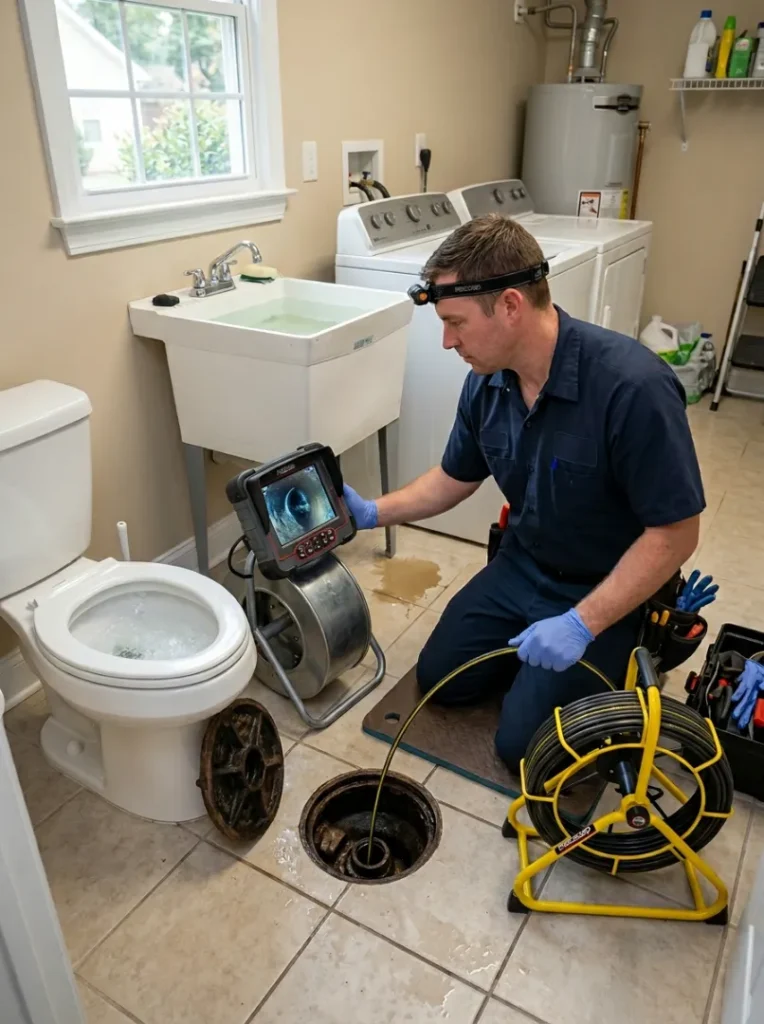
What Causes a Drain to Clog?
Different drains clog for different reasons, and knowing what is causing the blockage can help you choose the right fix.
Kitchen Sink Clogs
Kitchen drains usually clog because of grease, cooking oil, food scraps, and soap buildup. Grease may go down as a liquid, but it hardens inside the pipe over time and slowly blocks water flow.
Bathroom Sink Clogs
Bathroom sink drains commonly collect hair, toothpaste, soap scum, and shaving residue. These materials stick to the inside of the pipe, creating a thick buildup near the drain or P-trap.
Shower & Bathtub Clogs
Most shower and tub clogs are caused by hair mixed with soap and conditioner residue. Hair clogs are one of the easiest types of drain blockages to remove with a drain snake or hair removal tool.
Floor Drain Clogs
Floor drains can become blocked by dirt, hair, lint, soap residue, and debris that settles inside the drain over time, especially in laundry rooms, garages, and basements.
Deep Pipe or Sewer Line Clogs
Some clogs sit deeper inside the plumbing system past the P-trap. These blockages usually happen when smaller clogs are ignored for too long, and buildup continues inside the drain or sewer line.
How to Unclog a Drain With Standing Water
When water is sitting in the sink, tub, or shower and not draining at all, the clog is usually blocking most of the pipe. In this situation, liquid drain cleaners and home remedies will not work well until some of the water is removed first.
Step 1: Remove the Standing Water
Start by removing as much water as possible using:
- A cup or small bucket
- Towels or sponges
- A wet/dry vacuum, if you have one
The more water you remove, the easier it will be to reach the clog inside the drain pipe.
Step 2: Use a Plunger
A sink or tub plunger can often break up stubborn drain clogs caused by grease, soap scum, food debris, or hair.
For better suction:
- Cover the overflow opening with a wet cloth
- Add a small amount of petroleum jelly around the plunger edge
- Push down slowly and pull up firmly
- Repeat several times
Many clogged drains clear after 10–15 strong plunges.
Step 3: Try Baking Soda and Vinegar
Once the standing water is mostly gone, pour:
- ½ to 1 cup of baking soda into the drain
- Follow with 1 cup of white vinegar.
Cover the drain opening and let the mixture sit for about 30 minutes. After that, flush the pipe with hot water to help clear loosened buildup.
This method works best on soap residue, grease, and minor drain buildup.
Step 4: Use a Drain Snake
If the drain is still clogged, the blockage may be deeper inside the pipe. A drain snake or drain auger can help pull out hair, sludge, and debris stuck farther down the line.
| Quick Drain Unclogging SummaryRemove standing water firstPlunge the drainUse baking soda and vinegarFlush with hot waterUse a drain snake if needed |
How to Clear a Hair-Clogged Drain
Hair buildup is one of the biggest reasons bathroom sinks, tubs, and shower drains stop draining properly. The good news is that hair clogs are usually easy to remove without calling a plumber.
Method 1: Pull the Hair Out
In most cases, the clog is sitting just below the drain cover, mixed with soap scum and conditioner residue.
Start by removing the drain stopper or cover. Use a flashlight to look inside the drain. If you can see the clog, use:
- A drain hair removal tool
- A Zip-It tool
- A FlexiSnake
- Or even a bent wire hanger
Slide the tool into the drain, twist it slightly, and slowly pull the hair out. It may look nasty, but this is often the quickest way to clear the drain completely.
Method 2: Use Baking Soda and Vinegar
If the drain is still slow but not fully blocked, baking soda and vinegar can help break down soap buildup around the hair clog.
Steps:
- Pour ½ cup of baking soda into the drain
- Add 1 cup of white vinegar
- Cover the drain and wait 30–60 minutes
- Flush with hot water
This method works best for slow bathroom sink and shower drains.
Method 3: Use a Drain Snake
For deeper clogs inside the pipe, a handheld drain snake or auger may work better.
Feed the snake slowly into the drain until you feel resistance. Turn the handle while pushing gently forward, then pull the clog back out. Run hot water afterwards to help clear any leftover debris.
| Quick TipIf your shower or bathroom sink keeps clogging with hair, using a simple drain screen can prevent future buildup and help keep water flowing normally. |
How to Unclog a Bathroom Sink Drain
Bathroom sink drains usually clog because of hair, toothpaste, soap scum, and shaving residue building up inside the pipe. The good news is that most bathroom sink clogs can be fixed with a few simple steps.
Step 1: Clean the Sink Stopper
Start with the easiest fix first. Hair and grime often collect around the pop-up stopper inside the drain.
Remove the stopper and clean off:
- Hair buildup
- Soap residue
- Toothpaste sludge
Many slow bathroom sinks start draining normally again after this quick cleanup.
Step 2: Use a Plunger
Place a wet cloth over the sink overflow hole to create better suction. Add a few inches of water to the sink and plunge firmly for 20–30 seconds.
This helps loosen clogs sitting near the top of the drain pipe.
Step 3: Try Baking Soda and Vinegar
For stubborn buildup inside the pipe:
- Pour ½ cup of baking soda into the drain
- Add 1 cup of white vinegar
- Cover the drain and wait about 30 minutes
- Flush with hot water
This can help break down soap scum and minor drain buildup.
Step 4: Clean the P-Trap
If the sink is still clogged, the blockage may be inside the P-trap — the curved pipe underneath the sink.
Place a bucket below the pipe before removing it. Clean out any hair, sludge, or debris trapped inside, then reconnect the pipe and test the drain.
Step 5: Use a Drain Snake
For deeper clogs farther inside the plumbing line, use a drain snake or auger. Feed it slowly into the pipe until you hit the blockage, then rotate and pull the clog out.
This works well for bathroom sink clogs that are deeper in the drain system.
How to Unclog a Bathroom Floor Drain
Bathroom floor drains are easy to forget about until water starts collecting around your feet or pooling on the floor. Most floor drain clogs are caused by hair, soap scum, dirt, and buildup that accumulates inside the drain over time.
Step 1: Remove the Drain Cover
Take off the floor drain cover and look inside the drain opening. In many cases, you will find hair, lint, or debris sitting right near the surface.
Use gloves or a small brush to remove any visible debris.
Step 2: Clean the Drain Trap
Many bathroom floor drains have a trap that holds water to prevent sewer odours from returning to the home. If the trap is dirty or dried out, the drain may not work properly.
Pour some water into the drain first, then clear out any buildup you can reach.
Step 3: Use a Plunger or Wet Vacuum
A regular plunger can help loosen shallow clogs inside the floor drain pipe. If you have a wet/dry vacuum, place the hose tightly over the drain opening and let it pull out debris and standing water.
Step 4: Try Baking Soda and Vinegar
For soap scum and organic buildup:
- Pour ½ cup of baking soda into the drain
- Add ½ cup salt
- Follow with 1 cup of white vinegar
- Let it sit for about 30 minutes
- Flush with hot water
This helps loosen buildup inside the pipe and freshens the drain.
Step 5: Use a Drain Snake
If water is still draining slowly, the clog may be deeper in the pipe. A drain snake or auger can help break up hair, sludge, and debris farther down the drain line.
Feed the snake slowly into the drain until you feel resistance, then rotate it to clear the blockage.
How to Clear a Deep Drain Clog
Sometimes the clog is not near the drain opening. If water drains very slowly, multiple drains are backing up, or you hear gurgling sounds from nearby sinks or toilets, the blockage may be deeper inside the plumbing line.
Method 1: Use a Drain Snake
A drain snake or auger is one of the best tools for deep drain clogs.
For better access:
- Remove the P-trap under the sink first
- Insert the drain snake directly into the pipe in the wall
- Rotate the handle while feeding the snake forward
- When you feel resistance, work the clog loose slowly
This method works well for hair clogs, grease buildup, soap scum, and debris stuck deeper inside the drain line.
Method 2: Try an Enzyme Drain Cleaner
Enzyme drain cleaners work differently from harsh chemical products. Instead of burning through the clog, they slowly break down organic buildup, such as grease, hair, soap residue, and food particles, inside the pipe.
These cleaners work best for:
- Slow drains
- Recurring clogs
- Grease buildup
- Preventive drain maintenance
They are also safer for PVC pipes, older plumbing systems, and septic systems.
Method 3: Use a Wet/Dry Vacuum
A wet vacuum can sometimes pull out clogs sitting farther down the pipe.
To improve suction:
- Set the vacuum to wet Mode
- Remove the filter
- Seal the hose tightly over the drain opening
- Cover overflow holes nearby
Let the vacuum run for about a minute to help pull debris toward the drain opening.
Signs the Main Sewer Line May Be Clogged
A deeper plumbing problem may exist if:
- Multiple drains are slow at the same time
- Toilets gurgle when sinks drain
- Water backs up in tubs or floor drains
- Sewer odours are coming from drains
When this happens, the blockage may be in the main sewer line, and professional drain-cleaning equipment is usually needed to clear it safely.
Home Remedies for Clogged Drains That Actually Work
Not every clogged drain needs a harsh chemical cleaner. In many cases, simple home remedies can clear slow drains, grease buildup, soap scum, and minor hair clogs without damaging your plumbing pipes.
Baking Soda and Vinegar
This is one of the most popular natural drain cleaning methods for bathroom sinks, showers, and lightly clogged kitchen drains.
Best for:
- Soap scum
- Light grease buildup
- Minor hair clogs
- Slow drains
How to use it:
- Pour 1 cup of baking soda into the drain
- Add 1 cup of white vinegar
- Cover the drain and wait 30–60 minutes
- Flush with hot water
This works by loosening buildup that has accumulated inside the drain pipe.
Salt and Hot Water
Salt works well for greasy kitchen sink drains because it helps scrub buildup inside the pipe.
Best for:
- Grease clogs
- Oil buildup
- Slow kitchen drains
How to use it:
- Pour ½ cup salt into the drain
- Follow with hot water
- Wait several minutes before flushing again
If you have PVC pipes, use very hot tap water instead of boiling water.
Baking Soda and Salt Combination
Combining salt and baking soda creates a stronger natural drain cleaner for stubborn kitchen sink buildup.
How to use it:
- Mix ½ cup salt with ½ cup baking soda
- Pour into the drain
- Let it sit for 20 minutes
- Add vinegar and flush with hot water
This method works especially well on greasy drain pipes.
Dish Soap and Hot Water
Grease is one of the biggest reasons kitchen sinks stop draining properly. Dish soap helps break down oil and grease stuck inside the pipe.
Best for:
- Kitchen sink clogs
- Greasy drain buildup
How to use it:
- Pour a generous amount of dish soap into the drain
- Follow with very hot water
- Repeat if needed
Hot Water Flush
Sometimes a simple hot water flush is enough to clear light soap or grease buildup before it becomes a serious blockage.
Slowly pour hot water down the drain in stages instead of all at once for better results.
What to Avoid
Chemical drain cleaners can sometimes clear clogs quickly, but repeated use may damage older pipes, weaken plumbing joints, and create safety risks. They can also make drain repairs more dangerous if a plumber later has to open the pipe.
If home remedies are not helping or the drain keeps clogging again, the blockage may be deeper inside the plumbing or sewer line.
When to Call a Plumber for a Clogged Drain
Many drain clogs can be cleared with a plunger, a drain snake, or simple home remedies. But sometimes the problem runs deeper in the plumbing system and requires professional drain-cleaning equipment.
It is time to call a plumber if:
- Multiple drains in your home are backing up at the same time
- Toilets gurgle when you run water in a sink or shower
- You notice sewer odours coming from drains
- The clog keeps coming back after you clear it
- Water is backing up into tubs, showers, or floor drains
- DIY methods are no longer helping
Recurring drain clogs often indicate a deeper blockage in the sewer line, grease buildup farther down the pipe, or tree roots growing into older drain lines.
Professional drain cleaning usually costs less than dealing with water damage or a full sewer backup later. In many cases, a plumber can clear the line quickly with a motorised drain auger or hydro jetting equipment before the problem gets worse.
How to Prevent Drain Clogs
Keeping drains clear is much easier than dealing with a major clog later. A few simple habits can help prevent buildup inside your kitchen, bathroom, and sewer lines.
Here are some easy ways to avoid clogged drains:
- Use drain strainers in sinks, showers, and tubs to catch hair and food debris
- Never pour grease or cooking oil down the kitchen sink
- Run hot water after using the kitchen sink to help move grease through the pipes
- Clean bathroom sink stoppers regularly since hair builds up quickly underneath
- Flush drains monthly with baking soda, vinegar, and hot water to help reduce buildup
- Avoid flushing wipes, paper towels, cotton products, or anything other than toilet paper
Small maintenance steps like these can help prevent slow drains, bad odours, and expensive plumbing repairs later on.
Frequently Asked Questions
Can salt help unclog a drain?
Yes. Salt works well for breaking down grease and buildup in kitchen sink drains. For better results, combine it with baking soda, vinegar, and hot water.
What is the best home remedy for a clogged drain with standing water?
First, remove as much standing water as possible. Then try plunging the drain, followed by a baking soda-vinegar mixture. If the clog is still there, a drain snake usually works best.
How do you clear a clog deep in the pipe?
A drain snake or auger is usually the best option for deeper drain clogs. It reaches farther inside the pipe to break up hair, grease, and debris that household remedies cannot reach.
Do baking soda and vinegar really work on clogged drains?
Yes, but mostly for mild clogs and slow drains caused by soap scum, grease, or light buildup. Severe clogs often need a drain snake or professional drain cleaning.
What dissolves hair in a drain?
Hair removal tools and drain snakes work better than most chemicals because they physically remove hair from the pipe. Enzyme drain cleaners can also help break down hair buildup over time.
How do you unclog a bathroom floor drain?
Remove the drain cover, clear visible debris, and try a plunger or wet vacuum. Baking soda, vinegar, and a drain snake can help with deeper blockages.
When should I call a plumber for a clogged drain?
Call a plumber if multiple drains are backing up, sewer odours are coming from drains, water keeps returning after cleaning, or DIY methods are no longer working.
Professional Drain Cleaning in Lexington, SC
Most clogged drains can be cleared without a plumber using simple methods like plunging, baking soda and vinegar, hot water, drain snakes, or hair removal tools. Kitchen sink clogs are usually caused by grease and food buildup, while bathroom drains commonly clog from hair and soap scum.
If you are dealing with a stubborn drain clog in Lexington or nearby Midlands communities, and DIY methods are no longer working, our local plumbers are here to help. We provide same-day drain cleaning using professional equipment such as hydro jetting and motorized drain augers to safely and completely clear deep clogs, grease buildup, sewer line blockages, and recurring drain problems.