Skip to content
Your water bill is higher than normal because of one or more issues happening right now inside your plumbing system, and the most common culprits are a running toilet, hidden pipe leaks, a dripping faucet, an inefficient water heater, or a malfunctioning irrigation system. If you are a homeowner in Columbia, SC, the good news is that most of these problems are fixable once you know where to look.
Before you call Columbia Water to dispute the charge, it helps to understand what is actually driving that number up. Let’s break it down.
How Columbia Water Bills Are Calculated
Columbia Water measures your household consumption through a water meter and charges both a base meter fee and a volumetric rate based on how many gallons you use. Starting July 1, 2025, Columbia residents saw a 5% rate increase on both water and sewer services as part of the city’s FY 2025-2026 budget. For a family of four using roughly 6,000 gallons per month, that amounts to an average increase of about $3.74 per month, combining both the water and sewer portions of the bill.
So some increase on your bill may simply reflect the new rate structure, but if your bill jumped significantly more than a few dollars, something inside your home is almost certainly to blame.
1. A Running Toilet Is the Number One Offender
This is the most overlooked and most expensive plumbing problem in residential homes. A toilet that keeps running after a flush is not just a minor annoyance. It can silently drain hundreds of gallons of water every single day without you ever noticing a puddle on the floor.
A running toilet can waste up to 200 gallons of water every day, which is the equivalent of taking more than 13 extra showers daily. Over a full billing cycle, that adds up to thousands of gallons and a bill that can shock even the most careful homeowner.
The most common causes include a worn-out flapper valve that no longer forms a watertight seal, a faulty fill valve that keeps allowing water to trickle in, or a float that sits too high and causes constant overflow into the overflow tube. You can confirm this yourself by putting a few drops of food coloring in the toilet tank. If color appears in the bowl without flushing, you have a leak.
2. Hidden Pipe Leaks You Cannot See
One of the trickiest situations homeowners face is a spike in water usage without any visible water anywhere in the home. If you are dealing with a high water bill and cannot find any visible leak, water may be escaping from pipes hidden behind walls, under floors, or beneath a concrete slab. These leaks run constantly and often show up first as a spike on your water bill.
Corrosion, shifting soil, or aging pipes can lead to cracks or loose joints that slowly leak water. You can check for damp spots on floors or walls, listen for running water when all fixtures are off, and monitor your meter.
Here is a simple meter test you can do right now. Turn off every water fixture in your home, including the washing machine, dishwasher, ice maker, and outdoor hoses. Then go outside and look at your water meter. If the meter continues moving while everything is off, you likely leak somewhere in your plumbing system.
In Columbia neighborhoods with older homes, particularly those in areas like Forest Acres, Shandon, and Cayce, aging pipe materials are a real concern. A licensed plumber, Columbia SC homeowners trust can perform professional leak detection using non-invasive equipment to find the source without unnecessary digging.
3. Dripping Faucets Add Up Faster Than You Think
A faucet that drips just a few times per minute sounds harmless. In reality, it is quietly costing you money every hour of every day. A single faucet dripping five times per minute may not seem like much, but it can waste approximately 260 gallons of water per year. When you factor in multiple faulty fixtures, the cost can escalate quickly.
The typical causes are worn-out washers, damaged O-rings, or corroded internal valve components. These are relatively inexpensive fixes when addressed early. Left alone, they not only raise your water bill but can also lead to mineral buildup around fixtures, staining, and eventual fixture failure.
4. Irrigation System and Outdoor Water Issues
Outdoor plumbing is one of the most overlooked sources of water waste, especially during warmer months when sprinkler systems run on automatic timers. Broken sprinkler heads, leaking underground irrigation lines, or malfunctioning timers can run unnoticed, especially overnight or during automatic watering cycles.
If your irrigation system has a cracked line underground or a sprinkler head that is stuck open, it can dump hundreds of gallons into the soil before you realize what is happening. Walk your yard after a watering cycle and look for unusually soggy areas, pooling water near the system lines, or sprinkler heads that are not rotating properly.
5. A Faulty or Aging Water Heater
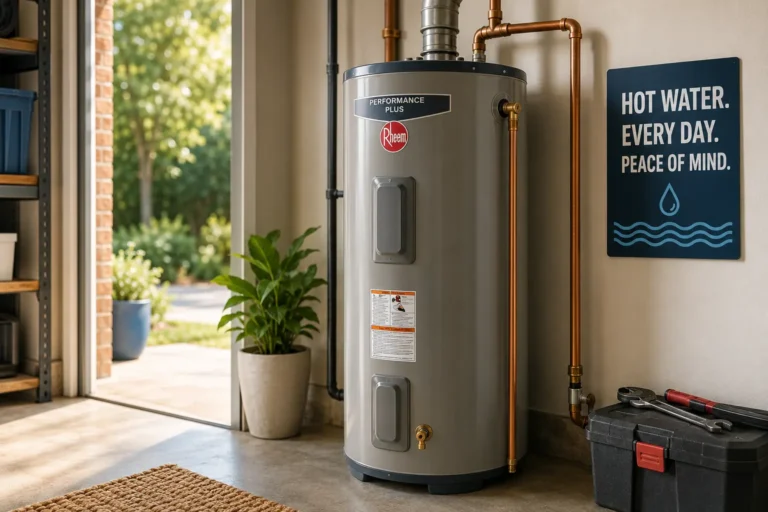
Your water heater may not be the first thing you think of when your water bill climbs, but it deserves attention. A water heater that is leaking from the pressure relief valve, the drain valve, or the tank itself can waste a significant amount of water. A malfunctioning or inefficient hot water heater can lead to a higher water bill, as it consumes more energy and water to function. Signs of water heater problems include reduced hot water temperature, unusual noises coming from the unit, and water pooling around the base.
In Columbia, SC, hard water and mineral sediment buildup inside tanks are especially common issues that reduce efficiency and shorten the lifespan of the unit. Flushing your water heater annually helps prevent this.
6. Increased Household Water Usage
Sometimes the answer is straightforward. Not every high water bill is caused by leaks or faulty fixtures. Sometimes it simply reflects higher household demand. More people at home, whether due to guests, children on break, or remote work, naturally increases daily water use through laundry, dishes, showers, and toilet flushing.
Think back over the past billing period. Did you host a family for an extended stay? Did kids come home from school for the summer? Did you fill a pool or water the lawn more frequently due to dry weather? These behavioral shifts alone can account for a meaningful jump in your monthly charges.
7. A Billing Error or Meter Issue
It does not happen often, but utility billing errors do occur. If you have checked every plumbing fixture and outdoor system and still cannot explain the spike, contact Columbia Water and ask for a meter re-read or a billing review. In some cases, a meter may be misread, or a neighbor’s usage could be accidentally attributed to your account in older meter setups.
You can also request a consumption history from Columbia Water to see whether your usage has been climbing gradually or if it spiked in a single billing cycle. A sudden spike in one month with no change in household habits almost always points to an acute plumbing event, such as a burst pipe or a toilet that began running constantly overnight.
How to Check Your Water Meter for Leaks at Home
You do not need special tools to perform a basic leak check. Here is a step-by-step process:
Turn off every water source in your home completely. This includes faucets, appliances, and outdoor spigots. Locate your water meter, which is typically near the street at the edge of your property or in a utility box near the curb. Note the meter reading or look for a small leak indicator dial, usually a small triangle or star-shaped disc. Wait 15 to 30 minutes without using any water. Check the meter again. If the dial has moved or the reading has changed, water is flowing through your system when it should not be. Call a plumber Columbia SC professional to diagnose the source.
When to Call a Plumber in Columbia, SC
Some of these issues, like replacing a toilet flapper or tightening a faucet handle, are manageable for a handy homeowner. Others require professional attention. You should contact a licensed plumber in Columbia SC right away if:
You have done the meter test and confirmed an active leak but cannot locate the source. You notice damp patches on walls, ceilings, or floors with no obvious explanation. Your water pressure has dropped noticeably along with a rising bill. Your water heater is making unusual popping or rumbling sounds. You suspect a slab leak, which is a leak beneath your concrete foundation.
In Columbia neighborhoods with mature trees, root intrusion is also a common contributor to plumbing problems, as roots seek moisture and enter small gaps at pipe joints. This is something a camera inspection can confirm quickly and accurately.
Simple Ways to Lower Your Water Bill Going Forward
Once you have identified and resolved the root cause of your high bill, a few consistent habits can keep costs manageable:
Install low-flow showerheads and aerators on faucets throughout the home. They reduce consumption without affecting water pressure noticeably. Fix any known drips or running toilets immediately rather than putting the repair off. The average American family could save almost $400 per year from using more water-efficient appliances, which can cut water usage by 20 percent or more. Set your irrigation system to water in the early morning hours and only on days when no rain is expected. Consider upgrading to a smart leak detection device that monitors water flow and alerts you when unusual usage patterns are detected.
Final Thoughts
If your bill increased suddenly and noticeably, the most probable causes in order of likelihood are a running toilet, a hidden pipe leak, a dripping faucet, a malfunctioning irrigation system, or a recent rate adjustment from Columbia Water. Start by performing the meter test, then check your toilets and faucets one by one before calling in a professional.
A skilled plumber Columbia SC residents rely on can identify the problem quickly, often in a single service visit, and get your monthly costs back to where they belong.
If you are seeing unexplained spikes on your water bill and cannot find the source, contact a trusted local plumber in Columbia, SC for a professional inspection. Catching a leak early saves water, protects your home’s structure, and keeps your utility costs under control.